Opinion
A heritage announcement can travel around the world in a day. Learning a craft takes rather longer. Ghana should celebrate international recognition of its traditions, but the work that follows deserves just as much attention.
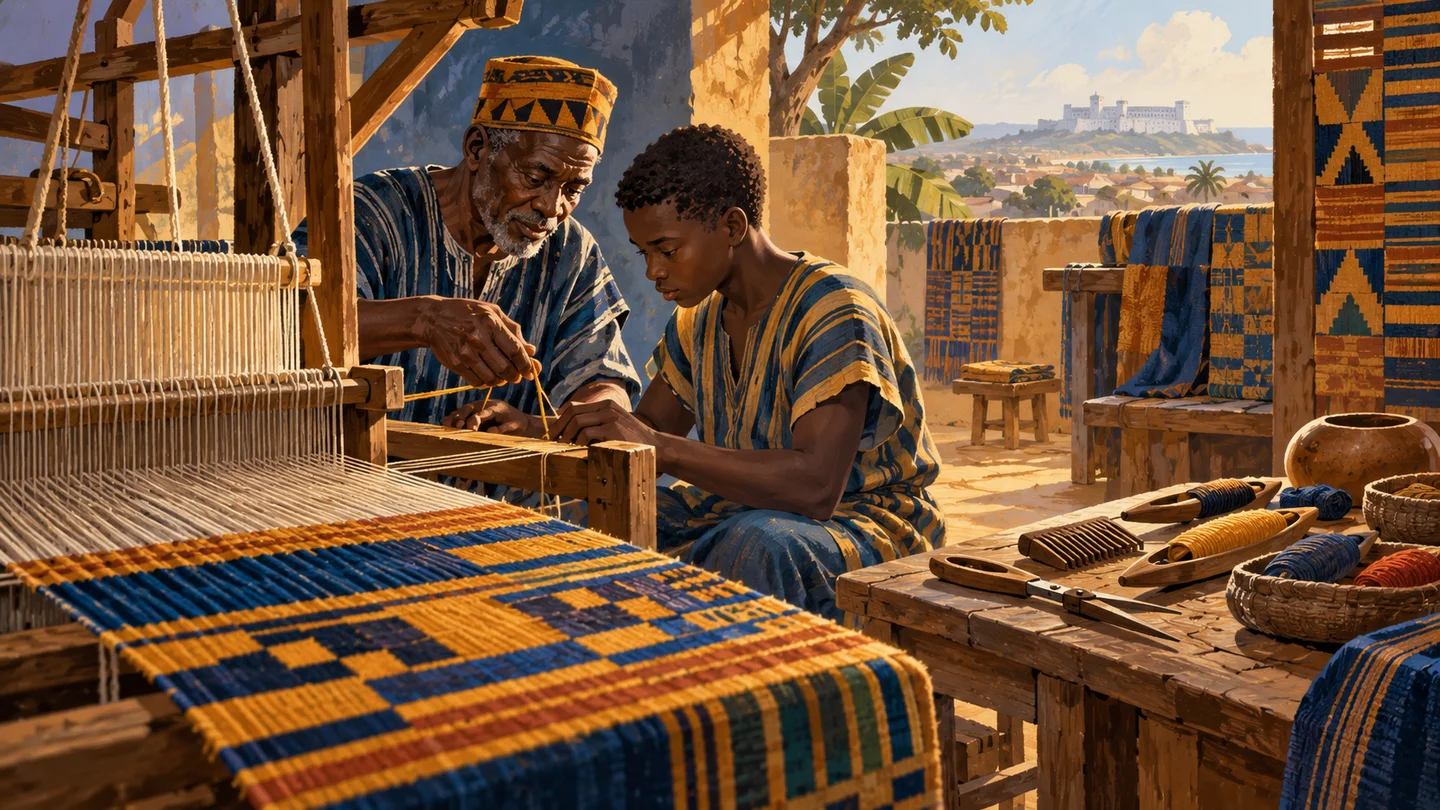
UNESCO's descriptions of kente and highlife both identify teaching and apprenticeship as ways these traditions are passed on. That is a useful place to begin any discussion about their future: who has time to teach, who can afford to learn, and how does a learner become a working practitioner?
Make room for the learner
My view is that cultural support should put more weight on the ordinary costs of learning. A workshop needs materials. A band needs rehearsal space. A beginner needs enough time alongside an experienced practitioner to make mistakes and improve.
Short demonstrations have a place, especially for visitors and school groups. They should not become a substitute for sustained training. A programme that funds a public performance could also pay for rehearsal and mentoring, with the practitioners helping to set the terms.
Credit the work
Buyers, organisers and publishers have responsibilities too. Naming the maker, agreeing a fair fee and asking permission before reproducing a design or recording are practical choices. They treat creative work as someone's livelihood rather than anonymous decoration.
None of this requires a tradition to stand still. The next generation will bring different tastes and tools. What matters is that change happens with access to the knowledge that came before it, and with room for the people doing the work to earn a living.
A useful measure of cultural support would be how many learners can continue practising a year later. That is harder to capture in a ceremony, but it is closer to what keeping a tradition alive means.
Background: Ghana Commission for UNESCO: intangible cultural heritage. The recommendations above are the author's argument.
About the author
Auth Pre
Contributor to Spotlight180’s opinion coverage.